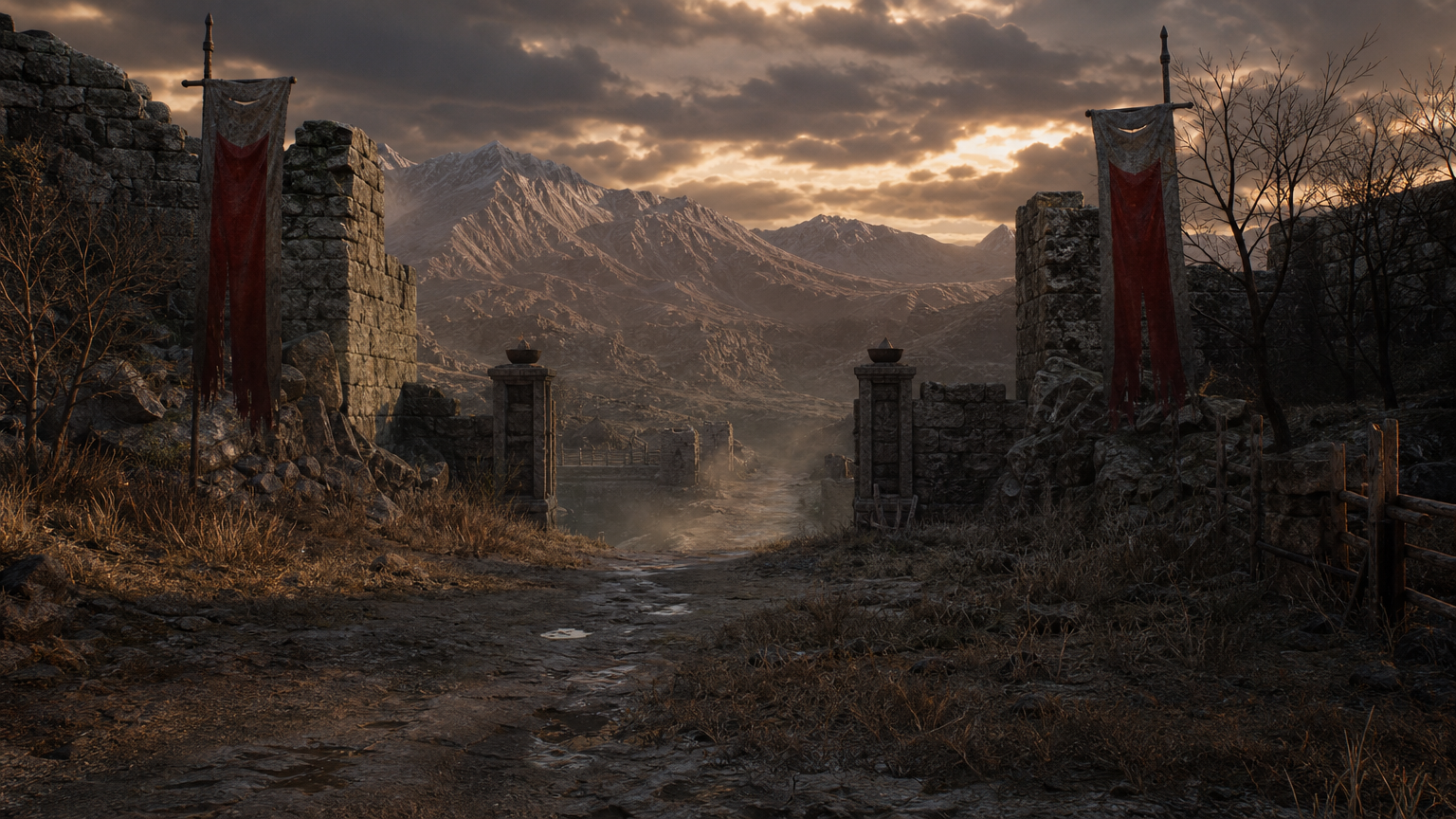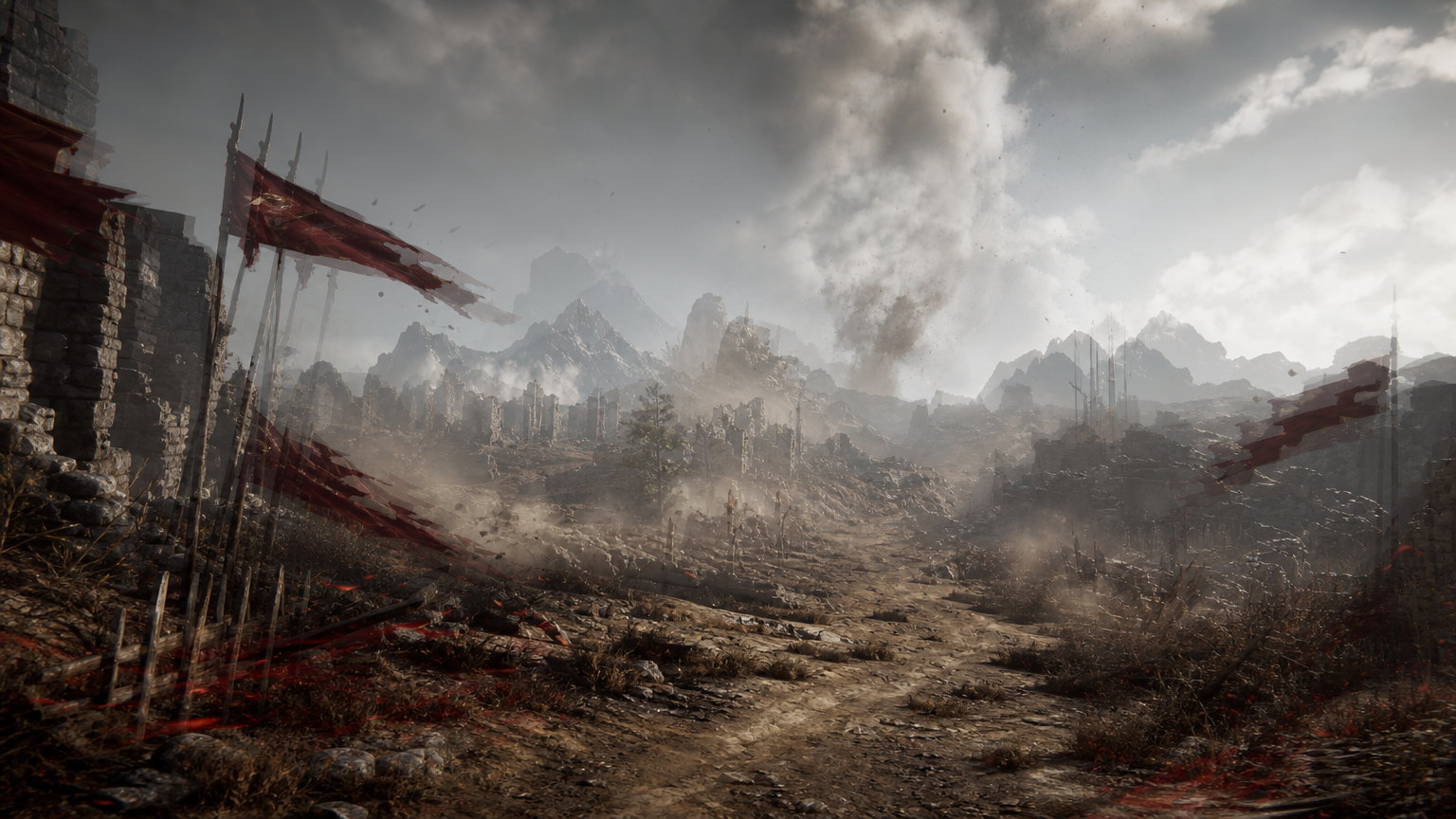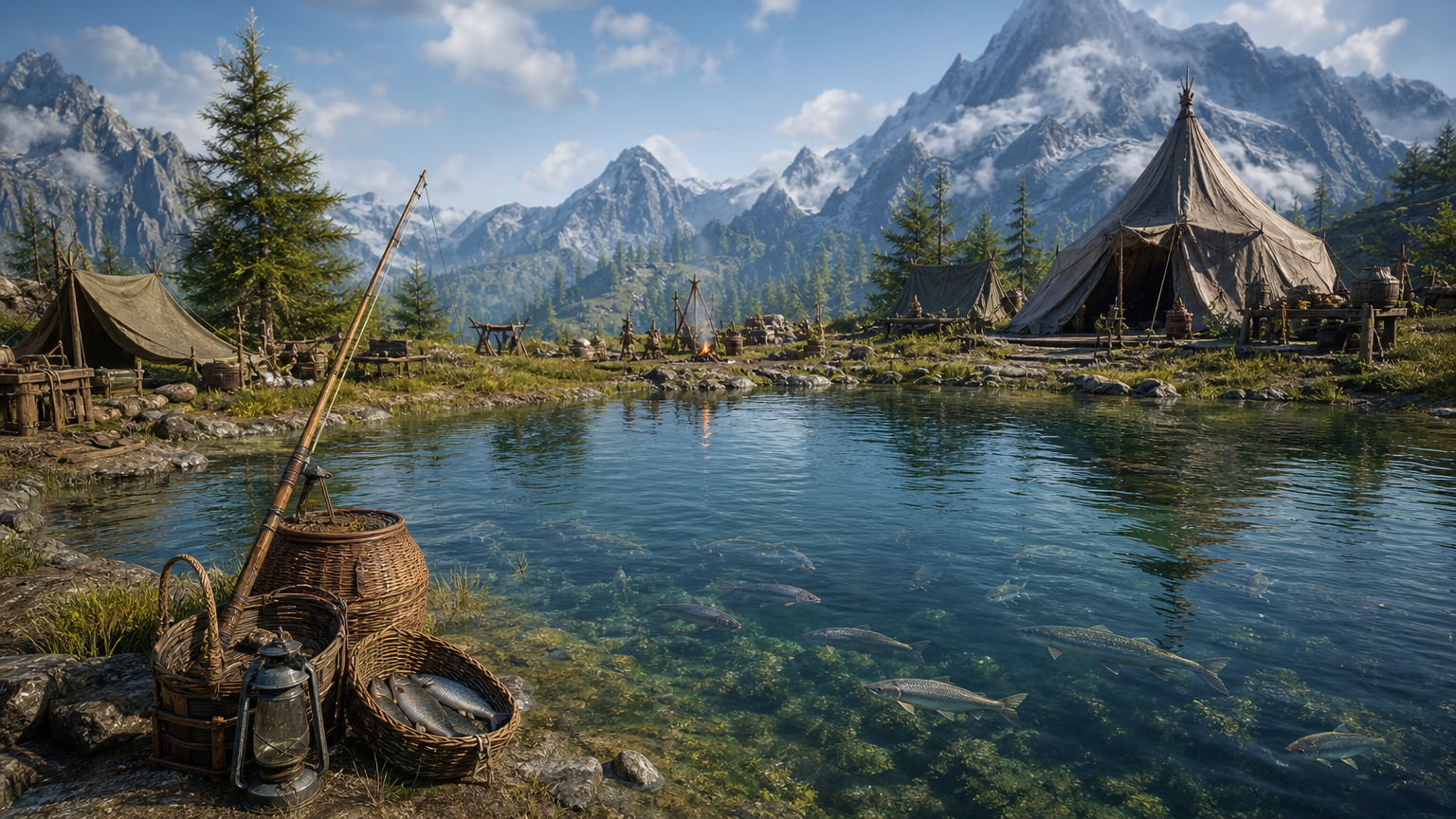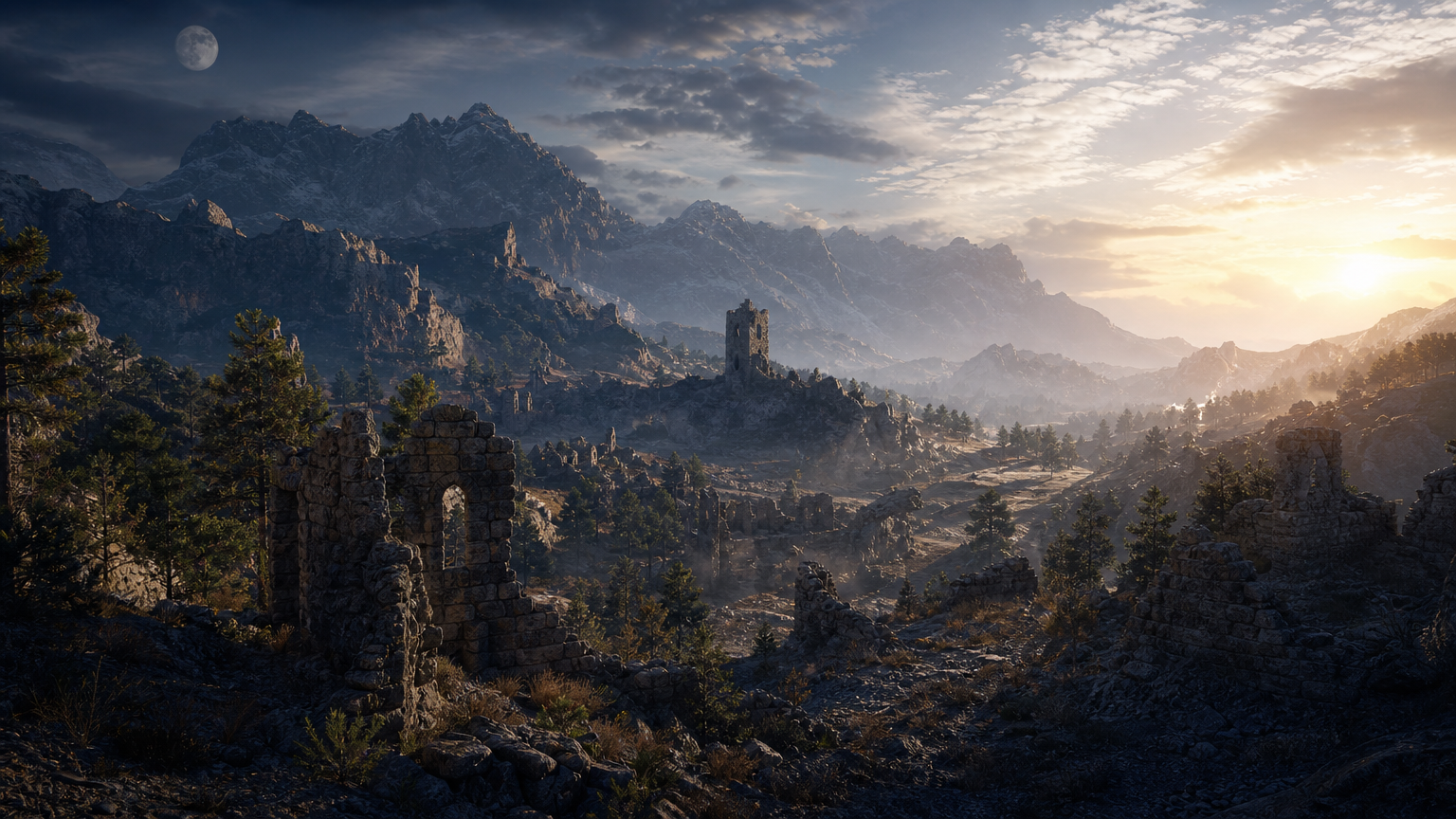
Crimson Desert's PC graphics conversation picked up another thread after Patch 1.08.00, with players pointing to a ray-traced shadows option tied to sunlight and moonlight. The fresh discussion started circulating on May 25, a few days after the official Patch 1.08.00 notes went live, and it fits neatly into the broader PC focus around this update.
The player-facing hook is simple: Crimson Desert already sells itself on scale, lighting, weathered terrain, and dramatic landscapes. Anything that changes shadows from the sun and moon is going to get attention, especially from PC players who are already testing XeSS, frame generation, ray tracing, and performance settings.
The official patch notes include several graphics and lighting fixes, but the most clickable part of today's discussion is the player-spotted option itself. It is the kind of setting that makes people open the graphics menu, capture comparisons, and ask whether the game looks better after the update.
Why shadow options matter in Crimson Desert
Shadows are not a background detail in Crimson Desert. The game is built around wide terrain, ruined stone, mountain paths, forests, camps, dust, and long lines of sight. Poor shadows can make that world feel flat. Strong shadows can sell depth, scale, and time of day.
Ray-traced shadows are especially interesting because they can make lighting feel more grounded. Instead of relying only on traditional shadow maps, ray tracing can help shadows behave more naturally in complex scenes. In a game with cliffs, trees, towers, tents, walls, and moving light sources, that can make a visual difference.
The mention of both sunlight and moonlight is also important. Sun shadows are expected in almost every modern open-world game. Moonlight shadows are more specific and can affect how night scenes read. If players are seeing a dedicated option for both, it suggests Pearl Abyss is giving PC users more control over the look of the world.
Patch 1.08 already had graphics changes
Patch 1.08.00 was not only a content update. It included PC-facing fixes, including an Intel Arc XeSS display issue and several lighting or visual corrections. That gives the ray-traced shadows discussion a natural home inside the patch conversation.
When a patch touches graphics systems, players immediately start looking for visible changes. They check menus, compare screenshots, test frame rates, and share short clips. That is exactly what is happening here. A new or newly noticed option becomes part of the same post-patch testing wave as FPS reports and upscaling fixes.
The timing also helps the story. The patch landed May 22, but the ray-traced shadows discussion surfaced fresh on May 25. That means this is not just old patch-note recycling. It is a delayed discovery, or at least a delayed community spotlight, and those often perform well because they give readers a reason to go check their own game.
The performance question comes next
The next thing players will ask is obvious: what does the option cost? Ray-traced shadows can be expensive depending on implementation, resolution, scene complexity, and GPU. In a game like Crimson Desert, where players are already discussing frame generation and upscaling, any ray tracing option immediately becomes a performance question.
That is where settings testing matters. A player with a high-end GPU may treat ray-traced sun and moon shadows as a visual upgrade worth enabling. Someone on midrange hardware may prefer higher frame rate, lower latency, or more stable frame pacing. There is no single answer that fits every setup.
The useful approach is to test it in real play. Turn the option on, stand in a dense outdoor area with trees or ruins, check daytime and nighttime scenes, then compare performance using the same camera angle. If frame generation or upscaling is enabled, test those combinations separately. Crimson Desert has enough visual systems that one setting can change the balance of the whole preset.
A strong visual feature for a visually driven game
The reason this story has traction is that Crimson Desert is a visual game before anything else. The world is the pitch. Players share landscapes, combat clips, camp scenes, pets, mounts, and lighting moments because the game is built to be looked at. A graphics option that changes how sun and moon shadows behave plugs directly into that identity.
It also gives Pearl Abyss another way to serve the PC audience. Console-style simplicity has value, but PC players want sliders, toggles, and control. They want to decide whether image quality or performance matters more on their machine. More granular graphics options help the game feel like a real PC release rather than a fixed preset.
This is also why the setting should be watched alongside Patch 1.08.00's other technical changes. The update is producing multiple conversations at once: Intel Arc fixes, FPS reports, ray-traced shadows, and lighting corrections. Together, they suggest Pearl Abyss is still actively tuning how Crimson Desert looks and runs.
For now, the practical move is to open the graphics menu, check whether the option appears on your build, and test it in both sunlit and moonlit scenes. Then keep an eye on the Patch Notes database as future updates clarify which graphics features are being tuned next.